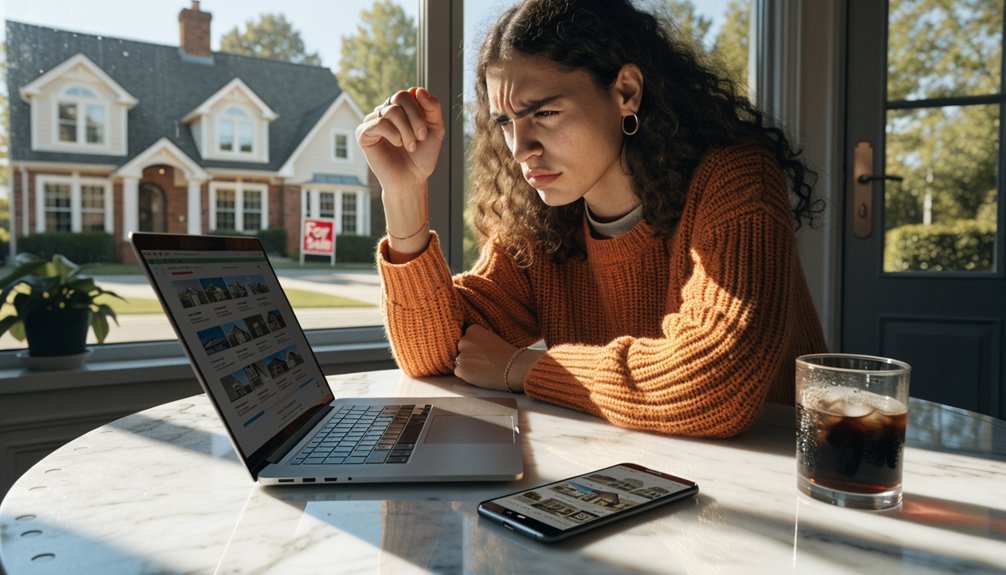
It’s no coincidence that buyers often leave a property page just as you’re trying to generate interest: every extra second of loading time creates another chance for them to move on. If your listings are slow, you may lose inquiries, showings, and seller confidence before buyers even see the details. The cost goes beyond a poor first impression—and it starts with what’s happening behind the page.
How Does a Slow Property Website Lose Buyers?
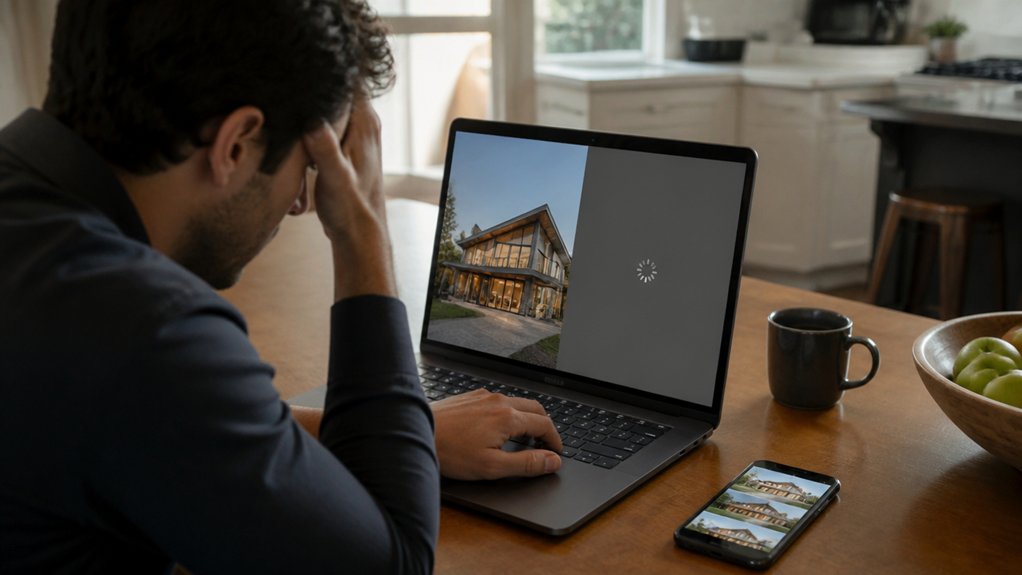
A slow property website loses buyers before they’ve even viewed a listing: Google reports that 53% of mobile visitors leave a page that takes longer than three seconds to load. When your pages stall, prospective buyers don’t wait; they return to search results and explore faster alternatives. Every delay interrupts the path from initial interest to meaningful engagement.
That’s especially damaging when listings rely on high-resolution photos, maps, and Virtual tours to communicate value. If these elements load slowly, buyers may never see the features that set a property apart. Prioritize Mobile responsiveness, compress images, and streamline scripts so listings display quickly on any device. Then test real pages, not just your homepage, across common phones and connection speeds. A faster experience keeps buyers focused on the property and gives you more chances to earn their attention.
What Does Slow Loading Cost Agents and Sellers?
When a slow listing page drives buyers away, agents and sellers lose more than clicks—they lose qualified inquiries, showing requests, and potential offers. Each missed opportunity can weaken a seller’s negotiating position and extend time on market, increasing carrying costs and uncertainty. For you as an agent, fewer inquiries mean less chance to convert online interest into appointments and commissions. The damage also reaches beyond one property: repeated delays can erode Brand credibility, making clients question whether you’ll market their homes effectively. Strong user engagement depends on a smooth path from discovery to action; when pages lag, buyers are less likely to explore listings or contact you. Treat speed as a revenue and reputation priority. Track inquiry rates, showing requests, and conversions to quantify losses and guide improvements that protect client outcomes.
What Slows Down Property Listings?
To prevent lost inquiries, identify what’s slowing your property listings: oversized photos, bloated scripts, unoptimized video, and slow hosting can all delay page loads. These problems matter because property pages are image-heavy, and visitors expect photos to appear quickly. Without image optimization, large files consume bandwidth and can stall a listing on mobile connections. Excessive scripts add processing work, while autoplay video can compete for data and delay essential details, such as price, location, and contact options.
Your hosting also affects server response: when the server takes too long to deliver page data, every element waits. Traffic spikes or limited hosting resources can make that delay worse. Track load times across devices and pages to pinpoint whether images, code, video, or hosting is creating friction. Knowing the cause helps you protect attention and inquiries.
How Can You Speed Up Property Listings?
Once you’ve found the bottleneck, speed up property listings by resizing and compressing images, removing unnecessary scripts, and delaying video until visitors choose to play it. These changes reduce page weight without sacrificing the details buyers need. Use visual optimization to serve appropriately sized photos, choose modern formats, and load below-the-fold images only as visitors scroll. Then measure results with real-user performance data, not just a one-time lab test. If slow responses persist, review hosting capacity, database queries, and caching before investing in server upgrades. A faster server can help, but it won’t fix bloated pages or inefficient code. Set a target for key pages, track load times and inquiry rates, and test each change. You’ll protect the browsing experience and give more prospects a reason to stay.
Conclusion
A slow property website doesn’t just frustrate visitors—it lets interested buyers slip through your fingers. Every extra second can weaken engagement, reduce inquiries, and keep a home on the market longer. Think of speed as your digital front door: if it sticks, buyers won’t wait outside. Compress listing images, streamline scripts, and test performance on mobile. Then track load times, inquiries, and showings. By treating speed as a sales strategy, you’ll protect seller confidence, strengthen your reputation, and turn more listing visits into real opportunities.