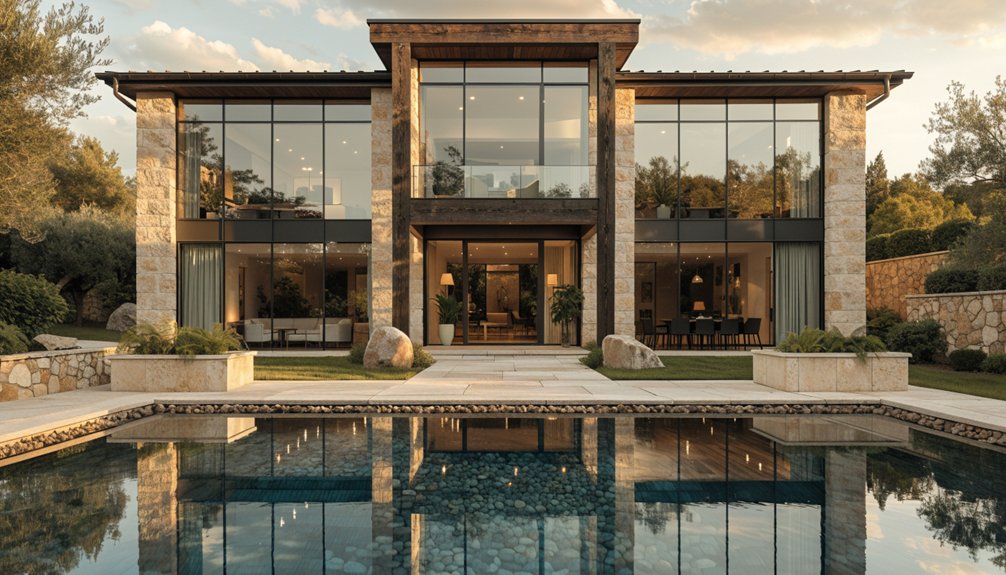
Imagine you’re comparing two similar homes: one costs 12% more but offers reliable transit, lower energy bills, documented construction quality, and a valid warranty. That premium may be justified—but only if independent inspections confirm the claims and local demand supports the price. In 2026, smart features and luxury finishes aren’t enough on their own. Which details can protect your investment, and which are merely expensive extras?
What Makes a Premium Property Worth the Price?
What makes a premium property worth its price? You’re paying for measurable quality, not just a polished label. Look for durable materials, precise construction, efficient systems, and documented maintenance; these can reduce repair costs and protect resale value. Independent inspections, energy ratings, and warranty terms give you evidence to compare claims.
Strong luxury branding can signal consistent standards, but you should verify what the brand actually delivers. Ask for specifications, service records, and comparable sales rather than relying on prestige alone. The exclusivity appeal may support demand, yet scarcity only matters when buyers value the property’s tangible benefits. Consider total ownership costs, including insurance, upkeep, and fees, alongside the asking price. When quality, performance, and credible market evidence align, you’re more likely to pay a premium that’s defensible—not merely expensive.
How Do Location and Design Shape Premium Value?
Location and design shape premium value by influencing both daily convenience and long-term demand. When you’re near transit, parks, respected schools, and essential services, you spend less time commuting and gain access to amenities buyers consistently value. An exclusive neighborhood can strengthen demand further, particularly when it offers privacy, well-maintained streets, and limited inventory. Compare recent sales nearby: price premiums and shorter selling times can help show whether location supports the asking price.
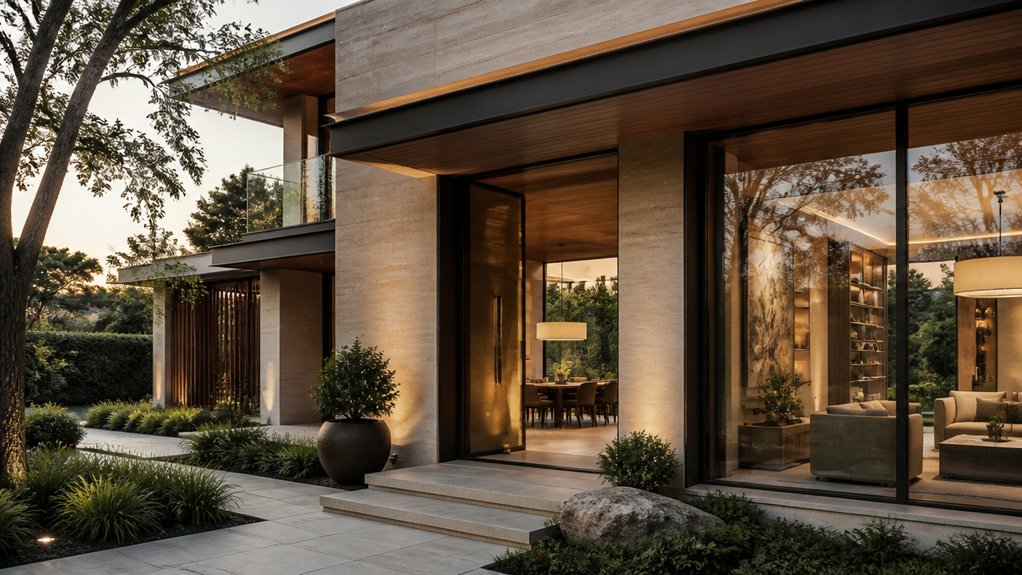
Design determines how effectively a property delivers on that setting. You’ll value layouts that use space well, frame natural light, and connect indoor rooms to outdoor areas. Quality materials and thoughtful proportions can also help a home feel distinctive without relying on fleeting trends. Luxury landscaping adds curb appeal and usable outdoor space, making first impressions stronger and resale more compelling. Together, location and design create lasting appeal.
Which Smart and Energy-Efficient Features Pay Off?
Smart and energy-efficient features pay off when they lower operating costs, improve comfort, or make a home easier to manage. Start with upgrades that deliver measurable savings: a smart thermostat can reduce heating and cooling use by roughly 8% annually, while LED lighting uses at least 75% less energy than incandescent bulbs. Efficient windows, insulation, and heat pumps can further cut utility bills and help stabilize indoor temperatures.
Choose systems you’ll actually use. Smart controls for lighting, climate, and leak detection can simplify daily routines and flag problems before they become costly. Review energy bills, equipment lifespan, and local incentives before investing; payback varies by climate and usage. Luxury renovations increasingly feature Eco friendly innovations, but premium value comes from verified performance, not gadgets alone. Prioritize documented savings, easy controls, and compatibility with future upgrades.
Which Build Quality and Amenities Justify the Premium?
Beyond lower utility bills, lasting build quality can justify a higher price by reducing repairs and protecting resale value. Look for structural warranties, durable roofing, well-sealed windows, and plumbing and electrical systems from reputable manufacturers. Ask for inspection reports, maintenance records, and itemized specifications; documented quality is more persuasive than a developer’s claims. Luxury finishes can enhance appeal, but prioritize materials that withstand daily use, such as stone counters, solid flooring, and corrosion-resistant fixtures. Their value depends on workmanship and local buyer preferences, not price tags alone.
Exclusive amenities justify extra cost when you’ll use them and comparable properties support their resale value. Secure parking, a staffed entrance, fitness facilities, and shared workspaces may attract buyers, but check monthly fees, reserves, and upkeep plans. Compare recent sales to confirm whether these features command a measurable premium.
Conclusion
A premium property isn’t premium because the listing says so; that’s convenient, but not evidence. You should look for verified build quality, independent inspections, credible warranties, and finishes made to last. Then weigh location, transit access, useful amenities, and smart, energy-efficient systems against the price. The irony? Paying more can save you money—if the numbers prove it. Check comparable sales, running costs, and buyer demand before you commit. In 2026, value is measured, not merely marketed.