
Imagine you’re offered a home valued well above recent neighborhood sales, with the promise that prices will keep climbing. That figure might seem like good news, but an over-optimistic valuation can lead you to overpay, borrow too much, or face losses if the market shifts. You can protect your decisions by learning what supports a valuation—and spotting what doesn’t. The warning signs may be less obvious than you think.
What Makes a Property Valuation Over-Optimistic?
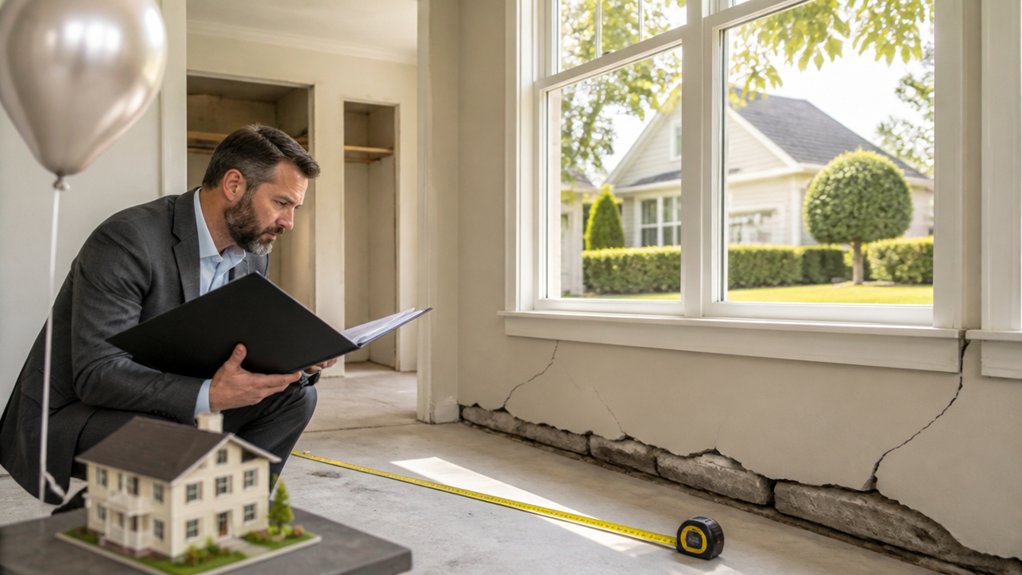
An over-optimistic property valuation puts a number on what a home might fetch in ideal conditions, rather than what buyers are likely to pay today. It often reflects assumptions that favor the seller: a hoped-for bidding war, a premium for renovations, or comparisons with exceptional sales nearby. Yet your home’s value depends on current demand, financing conditions, and how buyers weigh its features against alternatives.
Market psychology can magnify expectations. When confidence runs high, you may assume every buyer will share your enthusiasm or overlook drawbacks you’ve grown used to. Valuation biases also creep in when personal memories, ambitious asking prices, or selective comparisons shape the estimate. A grounded valuation doesn’t diminish your property’s appeal; it helps you present its genuine strengths at a price buyers can support. With realistic evidence, you can make informed choices and pursue a successful sale.
What Are the Warning Signs of an Inflated Valuation?
You can spot an inflated valuation by checking whether its comparable sales truly support the asking price. Be cautious of growth assumptions that seem too optimistic or a seller pressuring you to accept quickly. With careful scrutiny, you can make a confident, well-informed decision.
Unsupported Comparable Sales
When a property valuation relies on comparable sales that don’t truly match, the estimate may look reassuring while missing the mark. Check whether the selected homes share your property’s location, size, condition, age, and key features. A sale across town or a renovated home may not support the figure, even if its price seems persuasive. Ask how recently each property sold and whether the appraiser adjusted for meaningful differences. Strong appraisal techniques make those choices transparent, helping you spot valuation discrepancies before they shape a major decision. You don’t need to be an expert to ask for evidence: request the addresses, sale dates, and adjustment rationale. If the comparisons aren’t convincing, seek an independent review. With sound evidence, you can negotiate confidently and make a better-informed choice.
Unrealistic Growth Assumptions
Even a well-supported valuation can become inflated if it assumes property prices will keep rising rapidly. Look for forecasts that outpace local wages, rents, population growth, or recent market performance. If projected gains depend on a short boom continuing indefinitely, the estimate may be more hopeful than realistic. Check whether the valuer explains the evidence behind each growth assumption and considers slower-growth scenarios. Market psychology can make rising prices feel inevitable, while valuation psychology may encourage you to favor numbers that confirm your expectations. You can counter both by comparing forecasts with long-term trends and independent data. Sensible assumptions don’t mean you must overlook a property’s potential; they help you recognize it clearly. When growth estimates are grounded in evidence, you’ll make a more confident decision and protect your investment from avoidable surprises.
Pressure to Accept the Price
An inflated valuation often reveals itself through pressure to accept a price before you’ve had time to check the evidence. You may hear that several buyers are ready to act, the offer expires today, or the property’s value will only rise. These claims can trigger Emotional bidding, making urgency feel like proof of worth. Yet Market psychology isn’t a substitute for comparable sales, a careful inspection, or independent advice. Watch for a price that sits well above similar homes without a clear reason, or an agent who discourages questions and rushes your decision. You can stay interested without surrendering your judgment. Ask for supporting data, compare recent transactions, and set a firm ceiling based on your budget. A measured pause protects you—and helps you make a confident, informed offer.
How Can an Inflated Valuation Mislead Buyers?
An inflated valuation can skew the comparisons you use to judge whether a home is fairly priced. It may also expose you to unexpected financial risks, from overpaying to borrowing more than the property supports. With careful research, you can spot these pitfalls and make a confident choice.
Distorted Market Comparisons
When a property valuation is inflated, it can skew comparisons with similar homes and make an asking price seem more reasonable than it is. You may see nearby listings priced just as high and assume the market supports the figure. Yet those comparisons can be misleading if the homes differ in condition, size, location, or sale history. Market psychology can reinforce the impression: once a high benchmark appears, other prices may seem like bargains by comparison. Valuation algorithms can also amplify the distortion when they rely on incomplete or outdated data. Look beyond headline figures and compare recent completed sales, adjusting for meaningful differences. Ask how the valuation was reached, and check whether the evidence reflects today’s local market. With careful research, you can judge a property on its merits and negotiate with greater confidence.
Unexpected Financial Risks
If you rely on an inflated valuation, you could end up borrowing more than the property is worth or paying a premium you can’t recover when you sell. That gap may leave you with negative equity, higher monthly payments, or too little room to handle repairs and unexpected costs. Market psychology can make a high asking price seem like proof of lasting value, while Emotional bias may push you to bid quickly for fear of missing out. You can protect your finances by checking recent comparable sales, reviewing the property’s condition, and setting a firm budget before negotiations begin. Ask an independent professional to test the valuation, and compare mortgage costs under different scenarios. With clear evidence and a calm plan, you can pursue a home you love without letting optimism undermine your financial security.
Why Can an Overpriced Valuation Hurt Sellers?
Why can an inflated valuation hurt sellers? When you price your home above what buyers consider fair, you may attract fewer viewings and miss the strongest early interest. Market psychology matters: shoppers compare listings quickly, and an unrealistic figure can make yours seem less appealing, even if the property is excellent.
Over time, you might need repeated price cuts. Buyers may then wonder whether something is wrong or assume you’re under pressure, weakening your negotiating position. Valuation biases can also lead you to overlook local sales and practical buyer expectations.
A grounded price, supported by recent comparable homes, gives you a stronger start. You’ll invite serious offers, maintain momentum, and make negotiations more straightforward. With a realistic strategy, you can protect your time, present your home confidently, and move toward a successful sale.
How Can Inflated Valuations Hurt Lenders and Investors?
Inflated valuations can put lenders and investors at risk by making a property seem like safer, stronger collateral than it really is. If you lend against an overstated price, you may approve a larger loan than the asset can support. Should the borrower default, a sale might not cover the outstanding balance, leaving you with a costly shortfall. As an investor, you could pay too much, expect returns that never materialize, or face losses when the market corrects. Market speculation can push prices beyond what local demand and income justify, while valuation bias may reinforce overly rosy assumptions. These risks don’t mean property investment is inherently unsafe. When you recognize how inflated figures distort decisions, you can set more realistic expectations, protect your capital, and pursue opportunities with greater confidence.
How Can You Check a Property Valuation?
Before relying on a property valuation, check the evidence behind it. Compare the estimated figure with recent sales of similar properties in the same area, adjusting for size, condition, location, and features. Online estimates can offer a useful starting point, but they may miss important details.
For greater confidence, review the report’s assumptions, data sources, and valuation date. Ask how the valuer selected comparable properties and whether any repairs, planning changes, or market shifts were considered. If the figure seems unusually high or low, request an explanation or seek an independent Property appraisal from a qualified professional.
You don’t need to be an expert to assess valuation accuracy. A few focused questions and reliable comparisons can reveal gaps before they affect your decisions. With clear evidence, you can negotiate confidently, plan wisely, and move forward with greater assurance.
Conclusion
An optimistic valuation can make a property look like a sure thing, but you shouldn’t rely on a headline figure alone. Imagine you’re offered a home priced above recent comparable sales: checking those sales and arranging an independent valuation could prevent you from overpaying. With careful research, clear evidence, and advice from qualified professionals, you can spot inflated assumptions before they cost you. A realistic valuation isn’t a missed opportunity; it’s the foundation for a confident, sustainable decision.