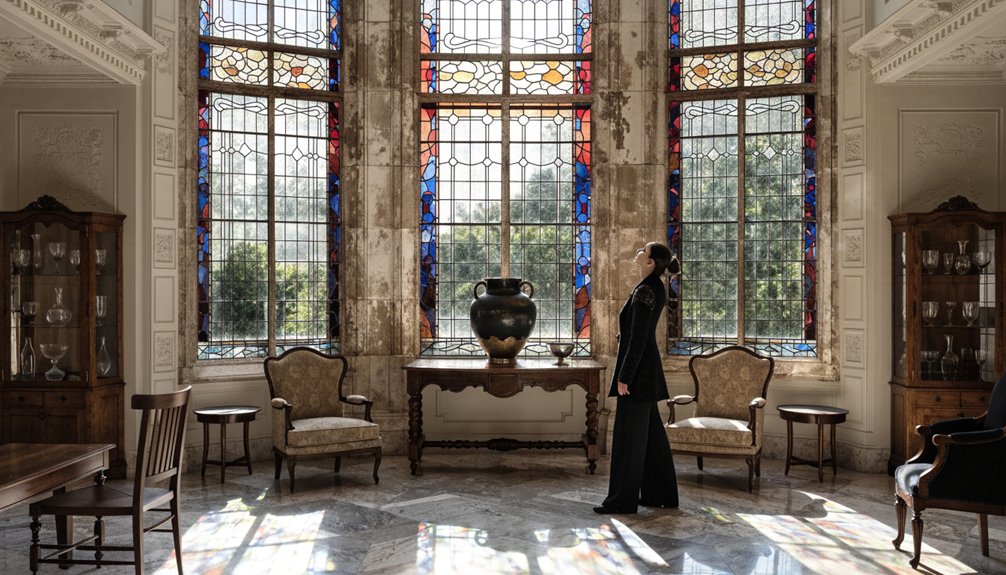
When a home’s original stained glass has weathered a little, it hasn’t lost its appeal—it may have gained character. You’ll notice how its color and craftsmanship shape the light, lend rooms a sense of history, and set the property apart from more predictable luxury homes. But beauty is only part of its value: understanding its condition and restoration needs can reveal what makes this feature a lasting asset—or a costly surprise.
How Does Historic Stained Glass Change a Home’s Character?
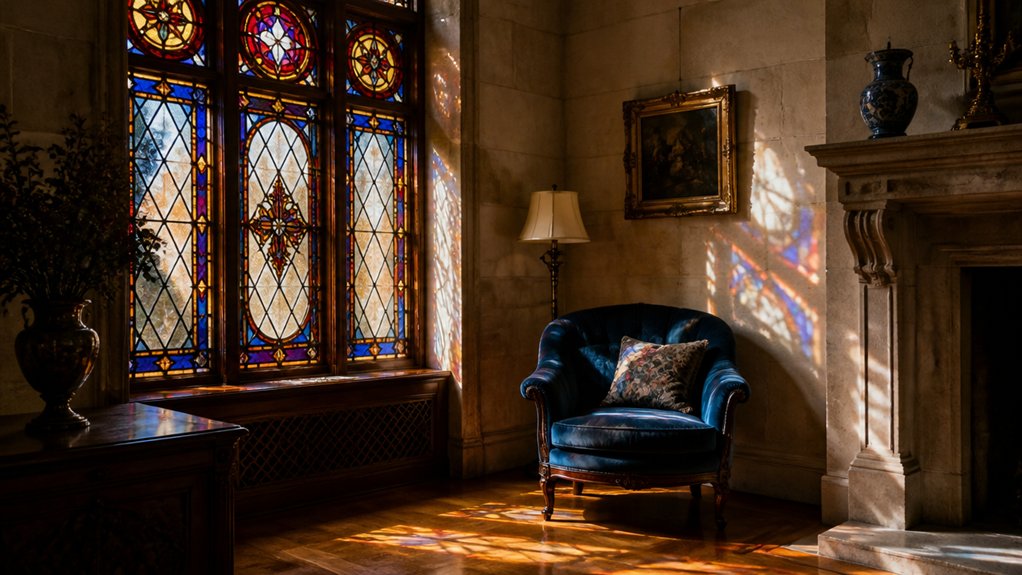
When sunlight passes through historic stained glass, it brings color, texture, and a sense of history into your home. As the light shifts, jewel-toned patterns animate walls and floors, giving familiar rooms a distinctive atmosphere. You’ll notice how a window can soften a modern interior, enrich a traditional one, or create a striking focal point without adding furniture or décor.
Historic glass also gives your home Architectural authenticity, connecting its appearance to the era and character of the building. Each pane’s Artistic craftsmanship—from hand-cut pieces to carefully joined leadwork—adds detail you can’t replicate with mass-produced finishes. Choose a window that complements your home’s proportions, and you’ll create a cohesive, memorable setting. The result is more than color: it’s a daily experience shaped by light, design, and place.
Why Do Original Stained-Glass Windows Appeal to Buyers?
Original stained-glass windows can make a home more memorable to buyers by adding character that’s difficult to reproduce. Their color, pattern, and changing light create a distinctive experience you won’t find in standard finishes. For buyers seeking a home with a strong sense of place, that individuality can make a lasting impression.
Artistic craftsmanship also gives each window visual value, showcasing skill and design choices that connect the home to its architectural era. You’re not simply buying decoration; you’re gaining a feature that can become a conversation piece and reinforce the property’s identity. Cultural significance may deepen that appeal, especially when the glass reflects local history or the tastes of an earlier generation. These details can help your home stand apart in a competitive market and offer buyers a meaningful connection beyond square footage alone.
How Can Buyers Assess Condition and Restoration Needs?
That distinctive appeal is worth weighing against the care a historic window may need. Before you make an offer, inspect each panel in daylight for cracks, loose lead came, bowing, missing pieces, and moisture between layers. Check the frame and surrounding masonry, too; leaks or shifting can threaten glass durability and signal broader repairs.
Ask a stained-glass conservator—not just a general contractor—to assess the window, document its condition, and recommend preservation rather than replacement where possible. Request a written estimate that separates urgent stabilization from optional cosmetic work. Restoration costs can vary widely with the window’s size, artistry, access, and damage, so build a realistic allowance into your budget.
With a specialist’s report and clear pricing, you can protect the craftsmanship, negotiate confidently, and understand the long-term care your investment will require.
Conclusion
Historic stained-glass windows do more than brighten a room—they give your home character, heritage, and a distinction luxury buyers remember. If you’re considering a property with these treasures, look closely at their condition and restoration needs before you buy. Thoughtful preservation protects both their beauty and their value. After all, “they don’t make them like they used to.” Choose a home where craftsmanship tells a story, and you’ll invest in a legacy that shines with every changing ray of light.