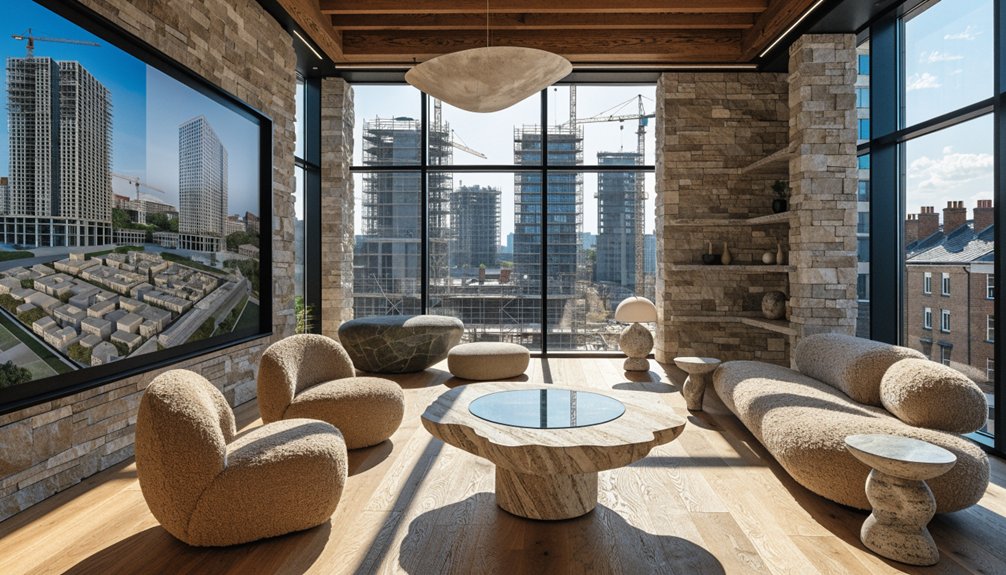
You can’t sell an unbuilt home with a floor plan alone. CGIs bring layouts, finishes and natural light to life early, while show homes let buyers experience the space firsthand and marketing suites help turn complex, high-value decisions into confident commitments. Each can earn its place, but spending on all three isn’t always the smartest move. The right mix depends on what your buyers need—and when.
How to Choose Between CGIs, Show Homes and Suites

Choosing between CGIs, a show home and a marketing suite comes down to what buyers need to picture—and what your budget can support. Start with the decision buyers must make. If they’re choosing a plot, layout or finish before construction, CGIs can make options clear without asking them to imagine from technical plans. Virtual tours add depth, letting you guide prospects through spaces that don’t yet exist.
When buyers need to judge room proportions, finishes and everyday flow, a show home gives them tangible proof. A marketing suite works best when you need a focused sales environment: Interactive displays can explain the development, showcase available homes and help your team tailor conversations. Match the format to buyer confidence, sales complexity and the experience your brand promises. The strongest choice removes uncertainty at the moment it matters most.
Compare Costs and Timelines for Each Option
Costs and lead times vary sharply, so compare each option against your launch date and sales goals. CGIs usually offer the quickest route to market, with costs shaped by image count, detail and revisions. You can scale production to match your campaign, but late changes may add fees. A show home demands the biggest upfront investment: construction, furnishing and ongoing upkeep all count. It can also take months to complete, so plan early. A marketing suite sits between the two, with fit-out, staffing and running costs balanced against a more controlled build schedule. For sound Budget allocation, weigh total costs against the time each asset will serve your sales effort. Strong Resource management means booking suppliers early, setting approval deadlines and protecting contingency. Choose the mix you can deliver on time without weakening your launch budget.
When Do CGIs Help Buyers Most?
CGIs can help you win buyer confidence before construction begins, when there’s no finished space to show. They make unfinished rooms feel tangible, helping buyers picture how they’ll live in them. You can also use CGIs to compare design options and guide decisions before changes become costly.
Before Construction Begins
Before construction begins, buyers can’t walk through a finished home, so polished CGIs give them a compelling way to picture the space, finishes, and lifestyle they’re being asked to invest in. At this stage, your visuals aren’t just attractive marketing; they’re sales tools that help turn plans into confident decisions. Show how natural light, materials, and furnishings work together, while keeping every detail aligned with the specification you can deliver. Virtual staging can demonstrate different furnishing schemes without committing to costly physical fit-outs. Augmented reality can let prospects explore a proposed interior on their own devices, making early conversations more engaging. Use CGIs across launch campaigns, brochures, and sales-suite displays to build recognition and support reservations. When buyers can connect emotionally with your offer, your development has a stronger chance of converting interest into commitment.
Visualising Unfinished Spaces
When buyers can’t yet experience a finished home, CGIs help them understand what plans and empty rooms alone can’t convey. They show how room proportions, natural light and circulation will feel, turning technical details into a compelling picture of daily life. That clarity matters most during early sales, when uncertainty can stall decisions and weaken confidence in your development.
Use Virtual staging to furnish bare interiors and help buyers recognise how spaces could work, without the cost or logistics of a physical show home. Add augmented reality to let visitors view proposed finishes and furnishings through their own devices, connecting the vision to the actual site. Keep every image credible: accurate layouts and honest lighting build trust, while overpromising risks disappointment. Well-timed CGIs make your offer tangible, answer questions sooner and give buyers a stronger reason to act.
Comparing Design Options
Which kitchen layout, finish palette or façade will resonate most with buyers? When you’re weighing design options, CGIs let you test alternatives before committing to costly show-home changes. Present buyers with clear, side-by-side visuals, and they can compare how each choice affects light, space and everyday living. You’ll also learn which features attract attention and where preferences diverge, giving your team useful evidence for refining the offer.
Use the images to make meaningful differences visible: show Sustainable materials alongside conventional finishes, or explore how Cultural influences can shape colour, detailing and communal spaces. Keep each option credible and aligned with your target market; too many variations can blur the decision. By using CGIs to gather feedback early, you can reduce uncertainty, focus investment on proven preferences and give buyers a stronger sense of ownership before construction is complete.
When Does a Show Home Help Buyers Most?
A show home helps most when you need to judge how the layout works in real life, not just on a plan. You can assess finishes up close and see which details justify the price. If you’re weighing home options, walking through them makes the differences—and the best fit—clear.
Visualising the Layout
Show homes earn their keep when buyers can’t easily picture how a floor plan will work in real life. A well-planned walkthrough lets you demonstrate room proportions, circulation and sightlines—not just dimensions on a brochure. Buyers can test whether a dining table fits, see how the kitchen connects to living space and understand where daylight falls. That clarity can turn hesitation into a confident decision, especially for compact homes or unusual layouts.
You don’t always need a full show home to make the plan tangible. Augmented Reality can place furniture at true scale, while Virtual Staging helps buyers imagine different uses for each room. But digital tools work best when the layout is already clear. Invest in a physical show home where spatial questions could stall sales; use flexible visualisation elsewhere to explain the plan efficiently and protect your budget.
Experiencing Finishes
Once buyers understand the layout, the next question is how the home will feel. A show home helps most when your decision hinges on details that images can’t fully convey: the warmth of timber, the weight of a handle, or the softness of a carpet underfoot. These Material textures turn a specification into a tangible promise, helping you judge whether the finish justifies the price.
Lighting effects matter just as much. Natural light shifts through the day, while carefully chosen fittings reveal how colours and surfaces work together. In person, you can assess whether a room feels inviting, practical and consistent with the lifestyle you’re buying into.
For developers, a show home earns its cost when it makes quality credible and reduces uncertainty. Let buyers experience the finish, not merely imagine it.
Comparing Home Options
When buyers are choosing between plots, layouts or specification levels, a show home makes the differences easier to judge. You can demonstrate how a kitchen upgrade changes daily life, or how a corner plot brings more light and privacy. That clarity helps buyers compare value, not just prices, and gives your sales team a stronger basis for discussing upgrades.
A physical home is most useful when options are hard to picture from plans alone. Pair it with clear comparison boards and digital tools, so buyers can explore alternatives without confusing the standard specification. Virtual staging can illustrate layouts or finishes that aren’t built, extending your showcase without the cost of another property. Highlight sustainability practices, too: buyers can see how efficient features fit into real rooms. When choices feel tangible, decisions come sooner—and your investment works harder.
When Is a Marketing Suite Worth the Cost?
A marketing suite earns its cost when it helps buyers understand the project, builds confidence, and speeds decisions enough to justify its fit-out, staffing, and operating expenses. It’s most valuable when you’re selling a complex scheme, targeting high-value buyers, or launching in a location where prospects need reassurance before committing. A well-designed space lets you demonstrate finishes, explain layouts, and answer questions face to face—turning interest into qualified leads.
But a permanent suite isn’t automatically a smart investment. Estimate likely footfall, conversion rates, staffing needs, and how long sales will run. If demand is uncertain, Virtual staging and Interactive tours can communicate the offer with less overhead. Choose a suite when its expected contribution to sales outweighs its full lifecycle cost, not simply because competitors have one.
How to Combine All Three in Your Sales Plan
Treat show homes, marketing suites, and digital tools as parts of one sales journey, not competing expenses. Use each to answer a different buyer question and move prospects closer to a decision. Before construction, CGIs and Virtual reality can help you demonstrate layouts, finishes, and views, building confidence while plans are still flexible. Your marketing suite then gives buyers a focused place to compare options, discuss finance, and speak with your sales team. Once a show home is ready, let visitors experience the space firsthand and picture daily life there.
Connect every touchpoint with consistent imagery, pricing, and calls to action. Interactive tours can bridge online research and in-person visits, while follow-up messages can direct interested buyers to the most relevant next step. Track enquiries and conversions, then shift investment toward what’s driving sales.
Conclusion
Choose the right mix of CGIs, a show home and a marketing suite to match your buyers, budget and sales goals. Start with striking visuals to spark interest, then add physical experiences when demand justifies the spend. You don’t need every tool at once: invest where each one can make the greatest difference. By balancing digital discovery with tangible tours and polished presentations, you’ll build buyer confidence, boost engagement and give your development its best chance to convert.